


Before you renovate an investment property, a scrapping schedule can let you claim the remaining value of the items you remove.
Why the timing matters
A scrapping schedule for a renovation should be prepared before the work starts, and it is one of the most commonly missed deductions in property investing. If you are planning a renovation, this is the step to get right first.
The idea is simple. When you remove an asset that still has written-down value, that remaining value can often be claimed as a deduction in the year the item is removed. But the evidence has to exist before the skip bin arrives.
Scrapping schedules and renovation: how scrapping works
Scrapping means writing off the remaining value of plant and equipment items you remove during a renovation, in the year they are removed. The key word is remaining. You are not claiming the original cost, but the value that is still left on the schedule when the item goes.
This mostly applies to Division 40 items: the carpet, oven, hot water system, air conditioner and other removable fittings. When those are pulled out and thrown away, their remaining written-down value can usually be claimed in full that year. Structural items you demolish, such as built-in cupboards, tiling or a wall, can also have their remaining capital works value written off.
To work that out properly, you need a schedule prepared before the works. The report captures what was there, its remaining value, and what will be scrapped. Without it, you are guessing at figures after the fact.
Think of a 15-year-old investment unit with a tired kitchen. Before the new kitchen goes in, we photograph the old cupboards, cooktop and rangehood and value what is left. That scrapped value can be claimed in the year of removal, while the new kitchen starts its own depreciation from when it is installed.
What you need before demolition
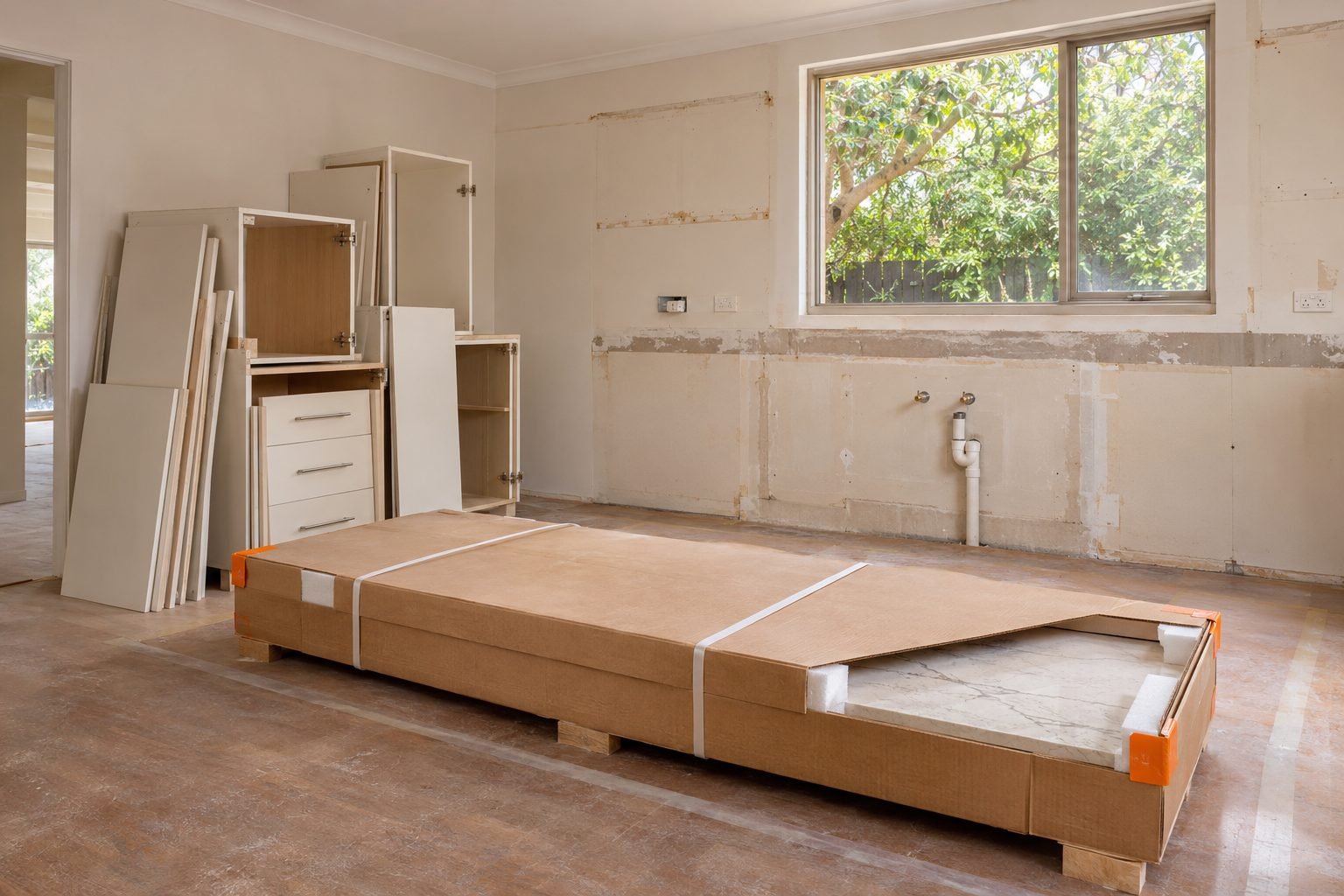
The most important evidence is photographs. Walk through the property and photograph every item that is about to be removed, room by room, before anything is touched. These photos are what let a quantity surveyor identify and value each asset.
If you have the original depreciation schedule, that is even better, because it already lists the items and their values. If you do not, purchase details and a record of what was installed will help. We can often reconstruct the values from photos and information about the original fit-out.
List the big items first – kitchen, bathrooms, flooring, air conditioning – then photograph each one separately. A quick video walk-through works too, but clear, well-lit photos of each item are the most useful.
Do not wait until the walls are open. Once items are removed, it becomes much harder to prove what was there and what condition it was in.
After the renovation: a new schedule
Scrapping covers what you take out. It does not cover what you put back in, so after the renovation you need a new schedule for the new works.
The new kitchen, bathroom, flooring and any new plant and equipment all have their own depreciation, claimed going forward. That new schedule runs from when the renovated property is back in service and generating rental income.
Think of it as two steps: one report to close off the old items before the works, and a second to open up the new ones after. Both reports are prepared by a Certified Quantity Surveyor, so the figures line up and your accountant gets a clean handover.
Do the scrapping report first
The order of operations is what trips people up. The correct sequence is to have the scrapping schedule prepared before demolition, so the value is captured while the items are still in place.
If you renovate first and only then ask us about scrapping, we can still help in many cases, but the job is harder and some value may be harder to prove. Planning the scrapping schedule into your renovation timeline is the professional way to do it. How the claim applies to your own return, including items you were never able to depreciate, is a question for your accountant. If you are organising the trades yourself, schedule the report for the day before demolition, not the week after.
You can see our scrapping service at our renovation and scrapping page when you are ready to look into it.
Frequently asked questions
What can be scrapped?
Division 40 plant and equipment items you remove during a renovation, such as carpet, appliances and air conditioning, can often have their remaining written-down value claimed that year.
Do I need the original schedule?
It helps, but it is not always required. Photos and a record of the original fit-out often let us value the items being removed.
Does scrapping cover the new renovation?
No. Scrapping closes off the items you remove. The new works need a separate schedule once the renovation is complete.