

A plain-English look at how depreciation works as a yearly non-cash deduction on your investment property, and what it can and cannot do for your tax.
How does depreciation work on investment property? In short, the building and its fittings wear out over time, and the tax system lets you claim a share of that wear each year as a deduction, even though no money leaves your pocket that year.
That makes depreciation a non-cash deduction. It lowers your taxable rental result without you spending any money that year, which is why so many investors treat it as a quiet but valuable part of owning a rental. For the full picture of how the two main categories work, start with our guide to investment property depreciation.
How does depreciation work on investment property?
Depreciation spreads the cost of an income-producing asset over the years it is expected to last. For residential property, it usually falls into two broad buckets.
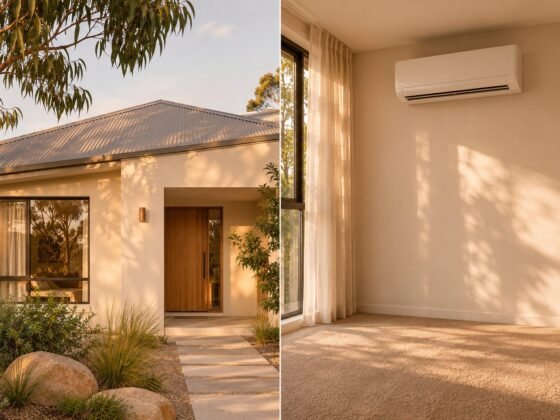
- Capital works (Division 43) covers the building itself and structural improvements, generally at 2.5 per cent a year over 40 years for construction that started after 15 September 1987.
- Plant and equipment (Division 40) covers removable or mechanical items such as carpets, air conditioners, ovens and hot water systems, each with its own effective life.
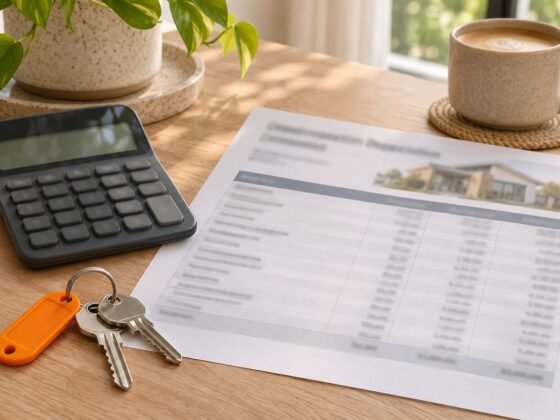
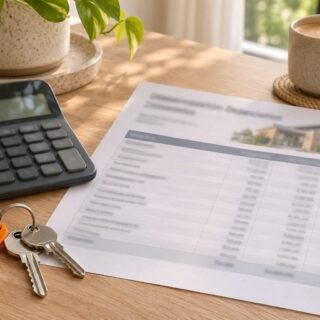
Rather than guessing those figures yourself, a depreciation schedule sets out what you can claim each year. Ours are prepared by a Certified Quantity Surveyor, the kind of qualified person the ATO accepts for estimating construction costs when the original figures are not known.
Depreciation is a non-cash deduction
Here is the part that surprises most people. A normal expense deduction matches money you actually spent, such as rates, insurance or a repair bill.
A depreciation tax deduction is different. The money was spent when you bought the property or the item, often years earlier. What you claim now is an allowance for the asset wearing out, not a new payment you have made.
Because no cash leaves your account, the deduction can lower your taxable income while your bank balance stays exactly where it was.
How the deduction flows through to your taxable result
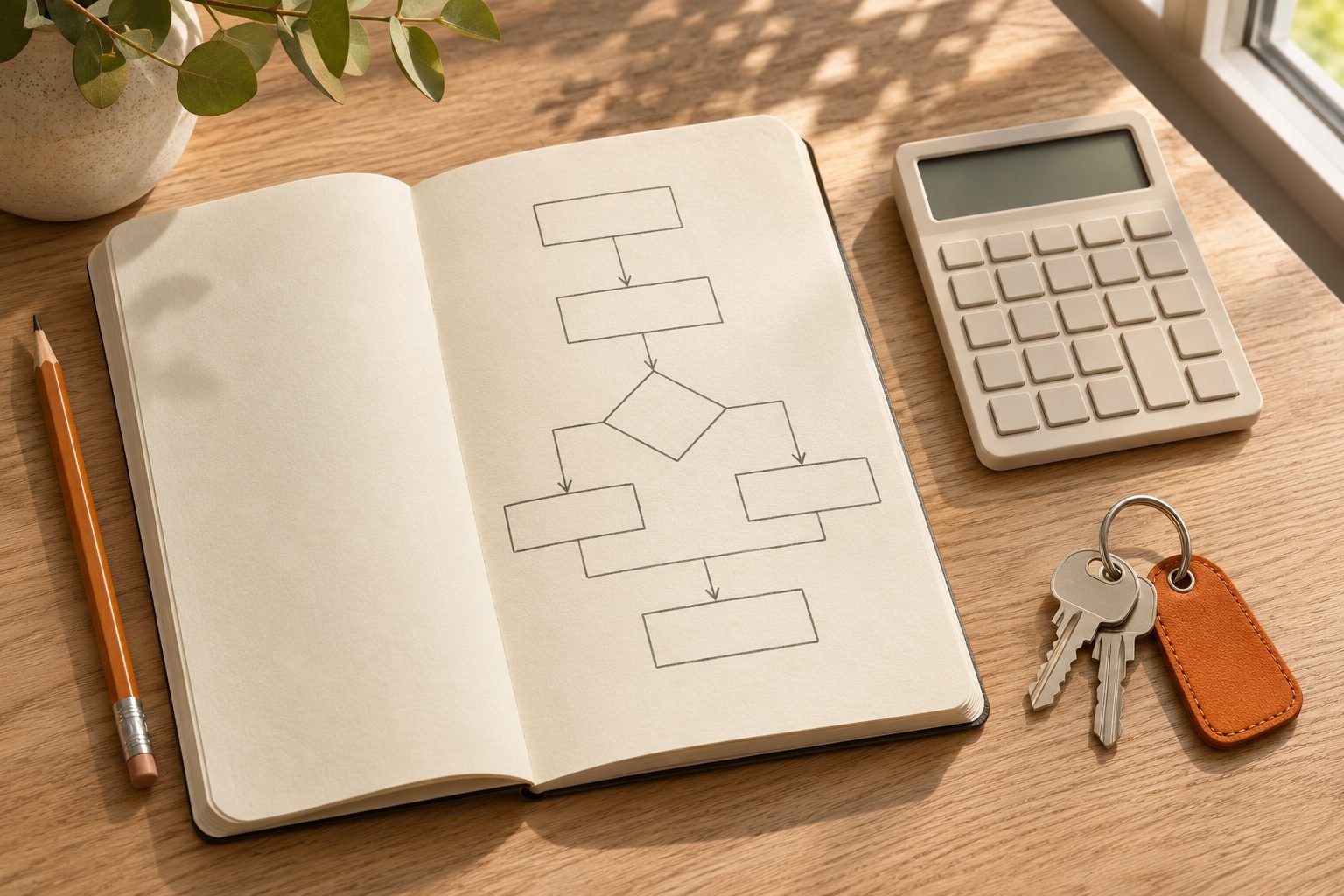
Your accountant starts with the rent you collected, then subtracts your running expenses. Depreciation is the next step, and this is the core of how depreciation works on investment property: it sits between your expenses and your final taxable figure.
Rental income, less your ordinary expenses, less depreciation, gives your taxable rental result. When depreciation is larger, the taxable result is smaller, and that smaller figure is what flows through to the rest of your return.
This is where the schedule earns its keep. It gives your accountant one clean, yearly figure to drop into the calculation, rather than leaving them to work it out from scratch.
Why it matters for your cash flow
A lower taxable result can mean paying less tax, which leaves more of your rent in your pocket. Over the life of an investment, those yearly differences add up.
Depreciation is especially useful because it does not compete with your cash flow. You claim it without setting aside money to fund it, unlike a repair or an improvement.
That is the quiet appeal: a deduction that arrives every year, needs no new spending in the year you claim it, and only asks that you keep the right paperwork.
What depreciation does not do
We want to be straight about the limits, because depreciation is often oversold.
First, it is not a refund guarantee. The benefit you receive depends on your own marginal tax rate and your overall position, so the actual dollar outcome is different for every owner.
Second, it is not free money forever. Capital works deductions generally reduce your cost base for capital gains tax later, and plant sold with the property can trigger a balancing adjustment. Your accountant is the right person to run those numbers.
If you want to know what depreciation means for your specific situation, ask your accountant. We can prepare the schedule, but only they can tell you how it lands in your own return.
A simple worked example
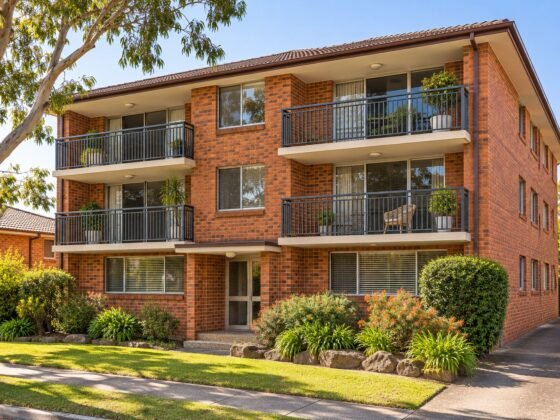
Picture an investor who rents out a unit and, after expenses, is left with a modest taxable rental profit for the year. Their schedule shows a yearly depreciation figure for the building and its fittings.
That allowance is deducted from the rental profit, in the same way a cash expense would be, but without any new money being spent. The taxable rental result drops, and the investor reports a smaller profit to the tax office.
The result is not magic. It is the tax system acknowledging that the building and its fittings are gradually losing value, and letting the owner recognise that loss a little at a time.
Frequently asked questions
Does claiming depreciation mean I get money back from the tax office?
Not automatically. Depreciation reduces your taxable rental income, and the actual benefit depends on your own tax position. Ask your accountant what it means for you.
Is a depreciation schedule worth it?
It depends on the age of the property, what was built and installed, and your own tax position. Our guide on whether a depreciation schedule is worth it walks through a simple way to decide.
Can I claim depreciation on an older or second-hand property?
Capital works on the building can generally still be claimed if construction started after mid-September 1987, but the rules changed on 9 May 2017 for previously used plant and equipment bought by individual investors. Our article on depreciation for second-hand property explains where the line now sits.