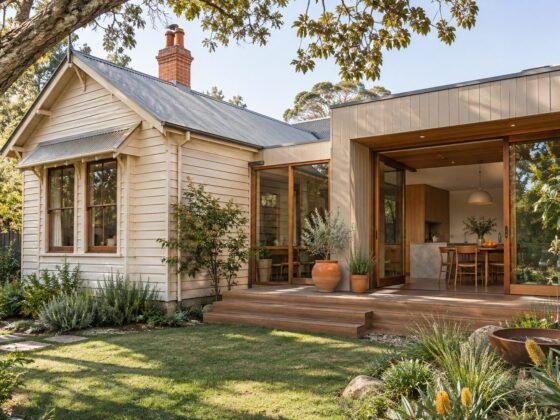



Older properties often still hold depreciation, from later renovations and structural improvements to the new fittings you install after purchase.
What depreciation can you claim on a property built before 1987?
Depreciation on a property built before 1987 works differently to a newer home, and that catches plenty of investors out. You generally cannot claim capital works on the original building structure, but you can often still claim depreciation on later work, from a renovated kitchen to a driveway laid years after the house went up.
For depreciation on a property built before 1987, the date of each later piece of work matters more than the age of the house itself. An older property usually still holds three kinds of value:
- renovations and extensions started after the cut-off
- structural improvements such as fences, pools and driveways
- new plant and equipment you install yourself
Here is how each one works.
Why the original building usually cannot be claimed
Residential capital works deductions generally apply to construction that started after 15 September 1987, claimed at 2.5 per cent a year over 40 years and counted from completion. A house whose original construction started before that date generally has no capital works claim left on its original structure.
That is why the pre 1987 capital works rule is so often misunderstood. The 1960s brick walls and the original roof have no capital works claim left in them, so investors assume there is nothing to claim at all. There are a few property depreciation myths that start exactly this way, and they are easy to correct.
Renovations and extensions are counted separately
This is where an old house depreciation claim usually begins. Later qualifying work such as an extension or a renovated kitchen is tested on its own construction start date, and is generally claimed at 2.5 per cent a year over the 40 years that follow its completion.
You do not have to have paid for that work yourself. If a previous owner added a room or rebuilt the bathroom, that capital works can still be claimed, based on the original construction cost of that work, estimated by a quantity surveyor where the cost is unknown. The claim runs while the property is rented or genuinely available for rent.
The capital works in a renovated kitchen or bathroom (such as the built-in cabinetry, benchtops, tiling, plumbing and waterproofing) can be claimed, even though the original house around it cannot.
Structural improvements have their own start date
Beyond the building itself, structural improvements such as driveways, fences, retaining walls and pools follow the capital works rules with their own start date, generally for work started after 26 February 1992. A 1970s house with a 2015 concrete driveway and a new pool fence can still hold claimable capital works in those items.
If the dates or the details are unusual, check the ATO, because there are edge cases.
New fittings versus second-hand fittings
Plant and equipment such as ovens, cooktops, rangehoods and dishwashers works differently, and the second-hand rule matters here. If you bought the property at or after 7:30 pm on 9 May 2017, the previously used fittings that came with it generally cannot be claimed by an individual investor.
That is the catch with the 2012 kitchen and 2019 bathroom. The oven, cooktop, rangehood and dishwasher that came with the purchase are second-hand, so they are generally out of scope. Only the capital works part of those renovations, the built-in cabinetry and the like, can be claimed.
Anything you buy and install yourself, new, is different. A new split-system air conditioner, ceiling fans, a new cooktop or new blinds you add after settlement are plant and equipment you can claim. The diminishing value rate is 200 per cent divided by the item’s effective life, and the prime cost rate is 100 per cent divided by that life; our article on diminishing value vs prime cost walks through the difference.
Some lower-cost new items can be claimed straight away or grouped into a low-value pool, subject to conditions. Ask your accountant how that applies to the items you buy.
A 1960s brick house, a 2012 kitchen and a 2019 bathroom
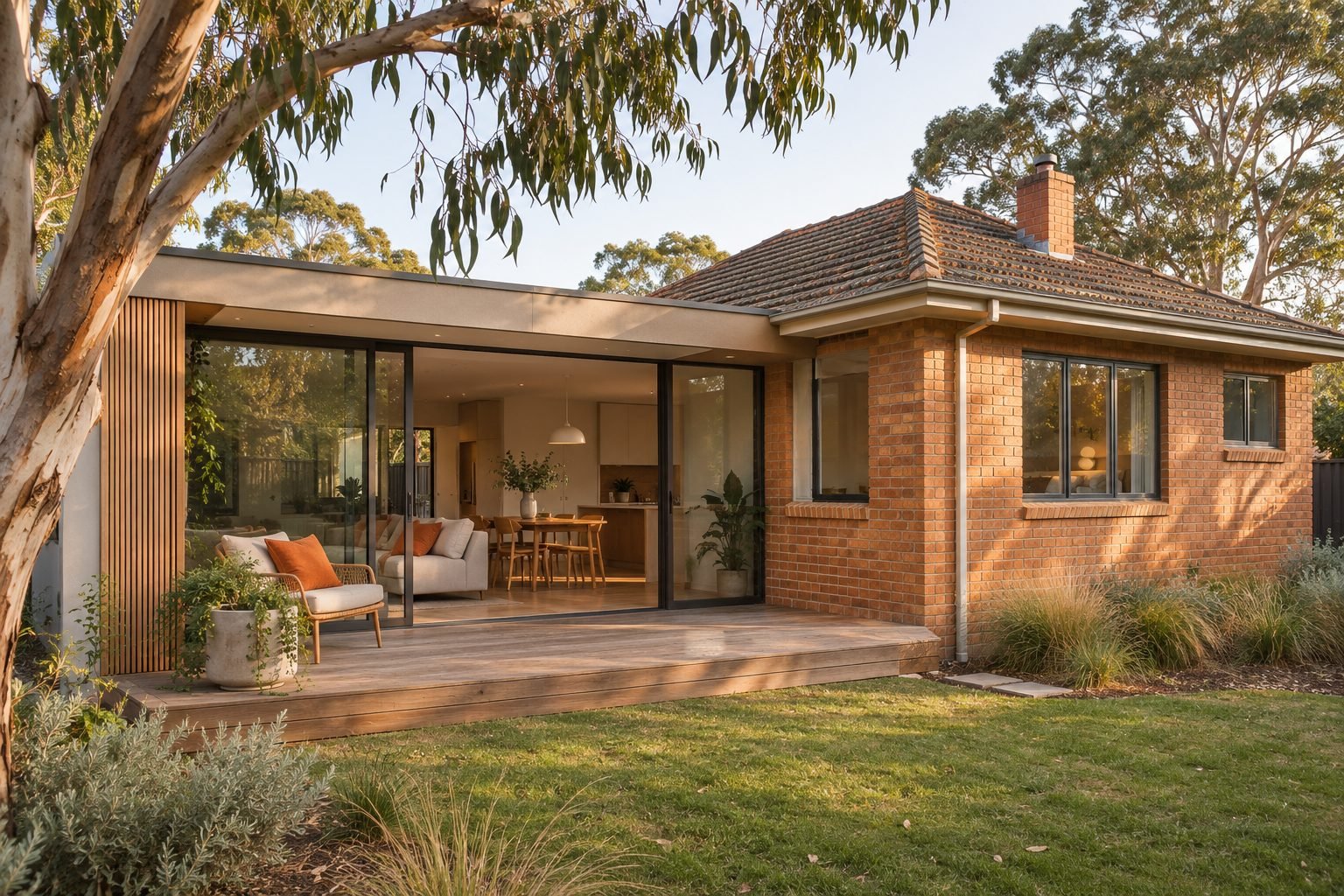
Imagine an investor buys a brick house whose original construction dates from the 1960s. On its own, that original structure has no capital works claim, because it predates the 15 September 1987 cut-off.
But the house was renovated in 2012 with a new kitchen, and the bathroom was redone in 2019. Where the actual costs are unknown, a quantity surveyor estimates the construction cost of each renovation, and those amounts go into the schedule as capital works, claimed from each renovation’s completion over the rest of its own 40 years, while the property is rented or available for rent.
The investor also installs a new split-system air conditioner and new ceiling fans after settlement. Because those are new plant and equipment bought by the investor, they are claimable, while the second-hand oven and cooktop that came with the house are not.
The result is that an older property can still hold worthwhile depreciation, once the later work and new fittings are separated from the original structure. For the full picture of how it all fits together, start with our guide to investment property depreciation.
How a quantity surveyor separates the claimable items
Working out which part of an older property is claimable is not something to guess at, because the cut-off dates and the second-hand rule are easy to get wrong. A Certified Quantity Surveyor prepares the schedule. The property is inspected by photos and video, with a site visit where needed, so the claimable capital works are separated from the original structure and from second-hand fittings.
Our standard residential schedule costs $600 including GST, with a 3 to 5 business day turnaround and Australia-wide coverage, and we offer a free eligibility check before you commit. If you are unsure how a claim sits in your own return, ask your accountant. When you are ready, order through our depreciation schedules page.
Frequently asked questions
Can I claim depreciation on a house built before 1987?
You generally cannot claim capital works on the original structure, but later renovations, extensions and structural improvements are counted from their own start dates and can often be claimed.
What can I still claim on an older rental?
Later capital works such as a renovated kitchen or bathroom, structural improvements like driveways and fences, and any new plant and equipment you install yourself after purchase.
Are second-hand fittings claimable?
For an individual investor who bought at or after 7:30 pm on 9 May 2017, previously used fittings that came with the property generally cannot be claimed. New items you buy and install yourself generally can.