

Plant and equipment depreciation covers the removable and mechanical items in a rental property, from carpet and blinds to ovens, air conditioners and hot water systems.
Plant and equipment depreciation is the deduction for the decline in value of the removable and mechanical items inside a rental property: the carpet, blinds, curtains, appliances, hot water system, air conditioning units, ceiling fans and smoke alarms. Unlike the building itself, which is claimed as capital works, these items wear out on their own schedule and are generally claimed under Division 40.
If you could unplug it, lift it or hang it, it is usually plant and equipment. If it is fixed into the structure, it is usually capital works, and getting the division 40 list right is where a schedule adds the most value.
What is plant and equipment depreciation?
Under Division 40, plant and equipment generally covers the removable or mechanical assets in a property, rather than the structure. The most common examples in a depreciable assets rental property are carpet, vinyl and floating floors, blinds and curtains, ovens, cooktops, rangehoods and dishwashers, hot water systems, split-system air conditioning units, ceiling fans, smoke alarms, and some exhaust fans.
Each item is listed separately, with its own effective life and write-off rate. That differs from capital works, which is generally claimed at a set rate of 2.5 per cent a year for each eligible stage of construction.
A quantity surveyor checks each item against the current ATO rules, because some sit right on the line.
Kitchen: the clearest example of the split
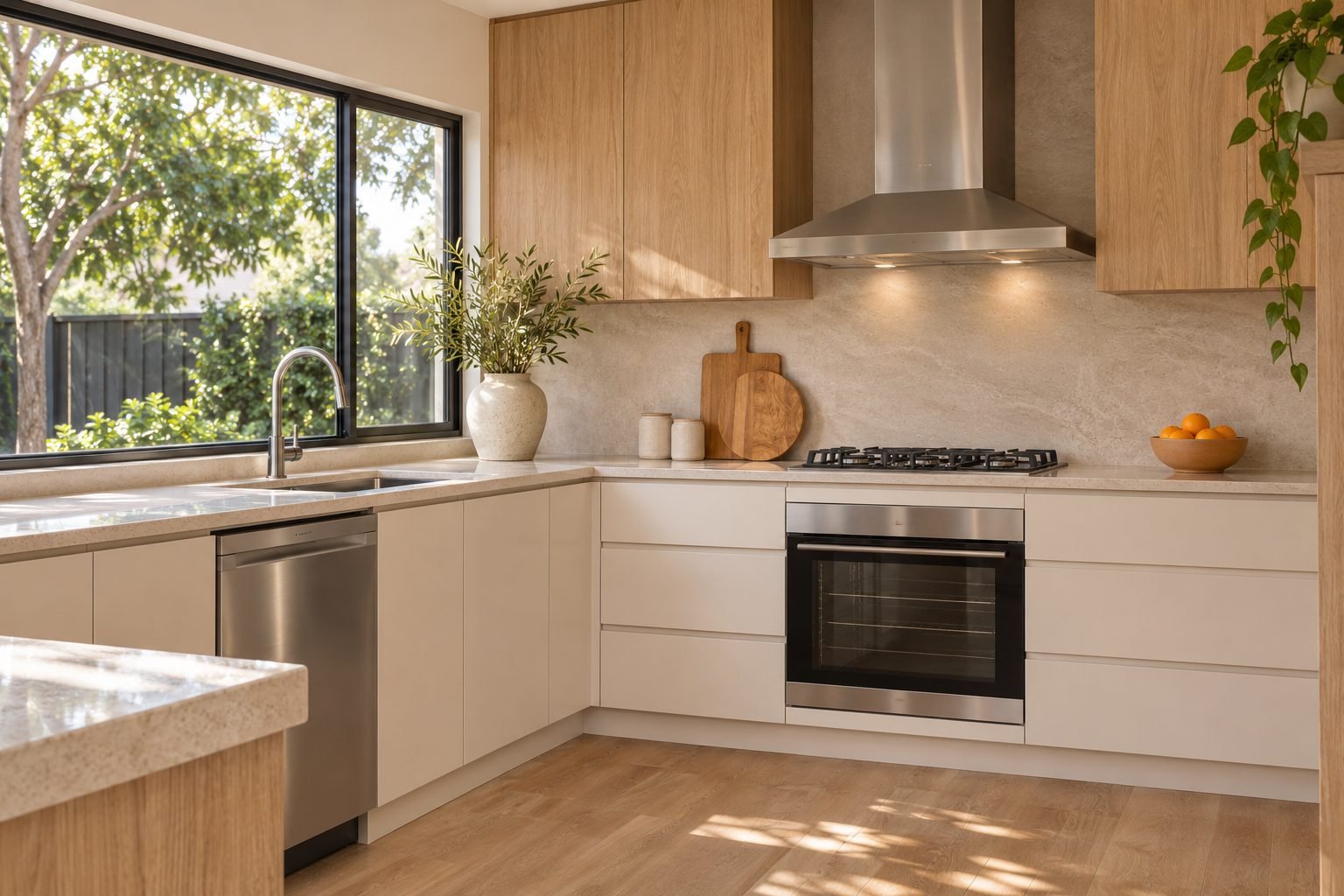
The kitchen is the easiest room to see the difference. The built-in cupboards, benchtops, splashback tiles and sink are capital works, because they are fixed to the structure. The oven, cooktop, rangehood and dishwasher are plant and equipment, because they can be removed and replaced.
Lighting needs care. Hard-wired light fittings are generally treated as capital works, while some removable fittings and shades can be plant, so the classification depends on the item and your schedule sets it out.
Bathroom and laundry: mechanical items to look for
In the bathroom, the tiles, vanity, toilet, bath and basin are capital works. The hot water system, an electric heated towel rail and exhaust fans are generally plant and equipment.
In the laundry, the washing machine and dryer are plant and equipment if you supply them, while the fixed trough and tiling are capital works. A standalone appliance you plug in is the classic plant item.
Living areas, bedrooms and outside
Walls, ceilings, built-in wardrobes, doors, windows and fixed timber floors are capital works. Carpet, floating floors, blinds, curtains and split-system air conditioning units are plant and equipment.
Outside, driveways, fences and retaining walls are capital works, not plant and equipment. They are structural improvements and follow the capital works rules instead. Some outdoor items are still plant, such as a pool pump or filter, even though the pool itself is capital works.
Each item has its own effective life and method
Every plant and equipment item has its own effective life, and the ATO publishes the Commissioner’s determinations for common rental items. That life determines how long the item is written off, and it differs for a carpet, an oven and an air conditioner.
You generally choose between two methods. The diminishing value method claims more in the early years, at a rate of 200 per cent divided by the effective life. The prime cost method spreads the claim evenly, at 100 per cent divided by the effective life. Both spread the cost over the item’s life, just with a different shape.
Suppose an individual investor buys a new split-system air conditioner and installs it in a rental property that is available for rent all year. Its decline in value is worked out as a percentage, not a fixed amount. Under diminishing value, the first year is based on 200 per cent divided by its effective life, then the same percentage applies to the remaining value each year. Under prime cost, the same percentage applies to the original cost each year until it is fully written off. Diminishing value front-loads the deduction, while prime cost keeps it level. In the year the unit is installed, the claim is also reduced for the days before you held it.
Some lower-cost items can be claimed straight away or pooled, subject to conditions, so ask your accountant before you assume. You can only claim plant and equipment depreciation for the periods the property is rented or genuinely available for rent.
The 9 May 2017 second-hand rule
The second-hand rule is the big one to know about. If you are an individual investor who bought an established residential property at or after 7:30 pm on 9 May 2017, the previously used plant and equipment that came with the property is generally not claimable.
That means you cannot usually depreciate the existing carpet, blinds or appliances left behind by the seller. It is a common misconception that everything in an established home can be claimed.
New items you buy and install yourself are assessed separately and can be claimed. Assets you used in your own home before renting it out can be caught too. There are exceptions in limited cases, such as carrying on a business of letting, companies and buying new residential premises, but these are narrow, so ask your accountant.
Because the second-hand rule closes off most existing plant in an established home, the capital works side of the schedule often matters more. For a run through what counts on that side, see our guide to the capital works deduction.
If you own an older property, the rules are different again, so read about depreciation on a property built before 1987.
How does a schedule help?
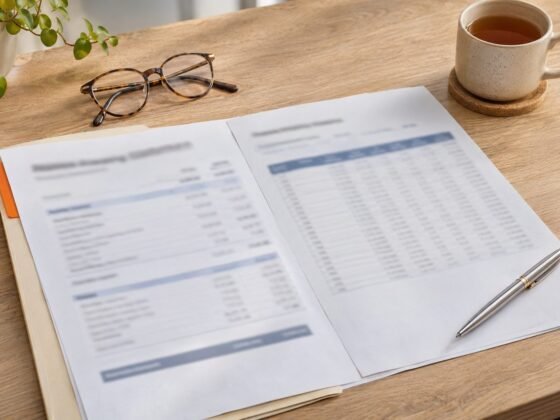
For the full picture on how all this fits together, start with our complete guide to investment property depreciation. When you are ready, a depreciation schedule prepared by a Certified Quantity Surveyor separates the eligible plant and equipment from the capital works and sets out the deductions year by year. The property is inspected by photos and video, with a site visit where needed. A standard residential schedule is $600 including GST, delivered in 3 to 5 business days Australia-wide, with a free eligibility check first.
Frequently asked questions
What is the difference between plant and equipment and capital works?
Plant and equipment is the removable and mechanical items, claimed under Division 40. Capital works is the structure and fixed items, claimed under Division 43. A quantity surveyor checks borderline items against the current ATO rules.
Can I claim plant and equipment on a second-hand property?
If you are an individual investor who bought an established residential property at or after 7:30 pm on 9 May 2017, the previously used plant and equipment that came with it is generally not claimable. New items you buy and install yourself are assessed separately and can be claimed, so ask your accountant.
Which method should I choose, diminishing value or prime cost?
Both methods spread the item’s cost over its effective life, just with a different shape. Diminishing value claims more in the early years, while prime cost spreads the claim evenly. Ask your accountant which suits your own position.