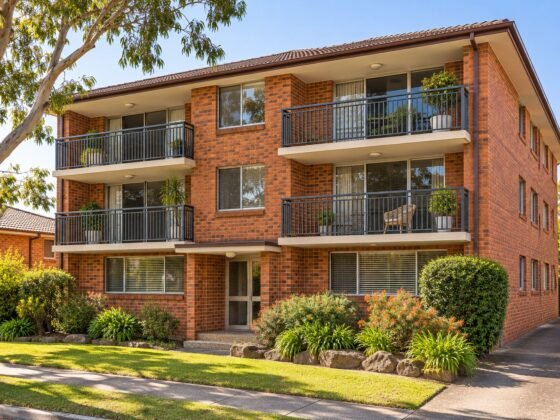



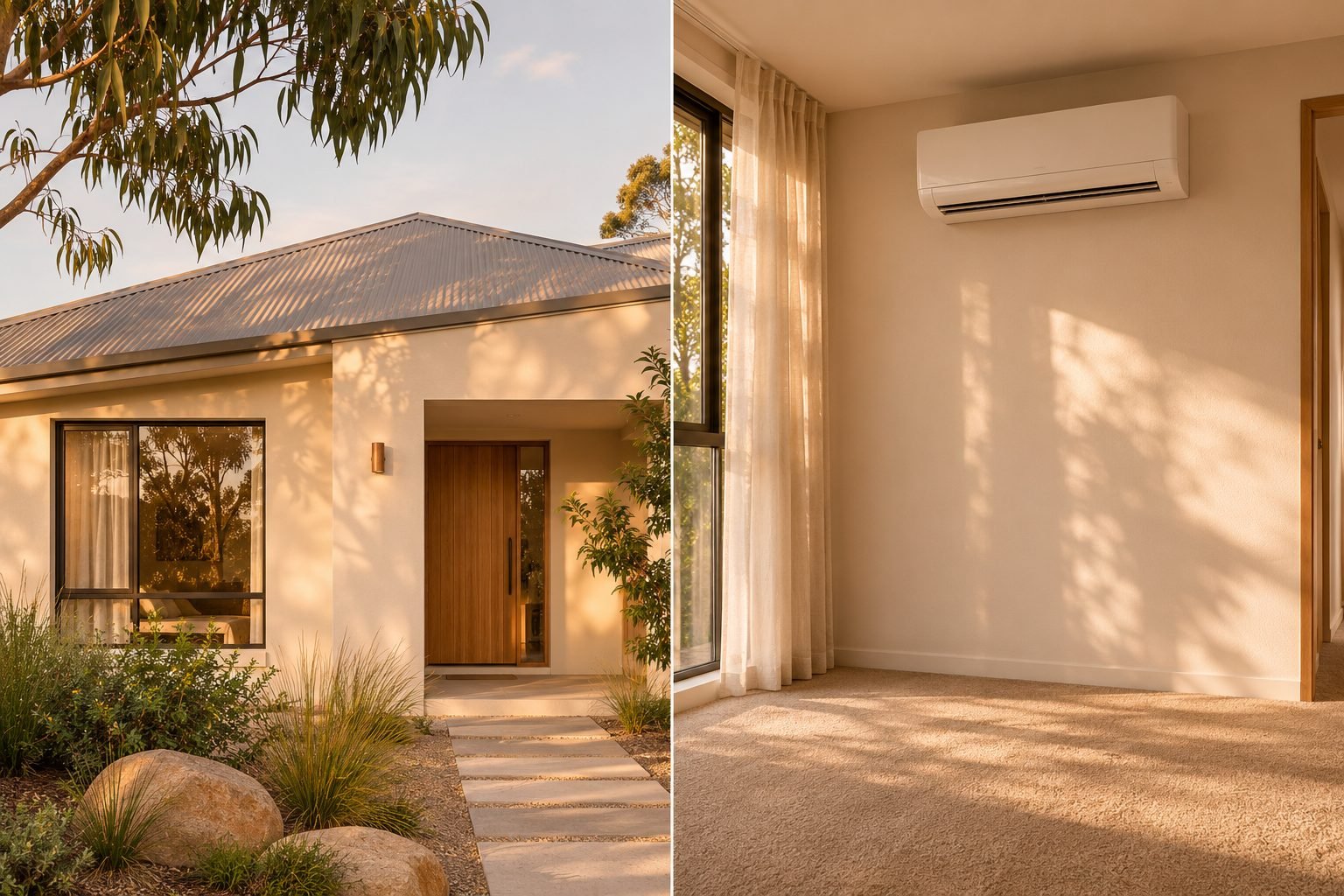
Every depreciation schedule has two parts: Division 43 capital works on the building and Division 40 plant and equipment on removable items.
The two halves of a schedule
Division 40 and Division 43 are the pair that sits behind every depreciation schedule, and understanding them makes the rest of the topic much easier. In short, one division covers the building and the other covers the removable items inside it.
When we prepare a schedule, we split the claim into these two categories because they are treated differently. The rates, the methods and the rules are not the same, and mixing them up is where mistakes happen.
Division 40 and Division 43: what each one covers
Division 43 is capital works, which is the structure itself. That means the walls, roof, slab, floor, fixed wiring and plumbing – the things you cannot take with you when you sell.
For a residential building built after 15 September 1987, capital works is generally claimed at 2.5 per cent a year over 40 years. It is a slow, steady claim that continues for the life of the schedule, and it applies to the original build and to qualifying renovations.
Division 40 is plant and equipment, which is the removable stuff: carpets, blinds, cooktops, hot water systems and air conditioners. Each of these has its own effective life, and each is claimed differently depending on the method your accountant chooses.
How plant and equipment is claimed
Division 40 items offer a choice of two methods. The diminishing value method claims a higher proportion in the early years and less as the item ages. The prime cost method spreads the claim evenly over the item’s effective life.
A good schedule shows both methods for every item, so your accountant can pick the one that suits your situation. There is no single correct answer for everyone, which is why the schedule should present the choice rather than making it for you. The choice matters because it changes the timing of the deduction, not just the total over time.
Remember the 9 May 2017 rule here too. Buyers of second-hand residential property generally cannot claim plant and equipment that was already in the property. New items they install themselves, and items in a brand-new property, are unaffected.
The low-value pool and immediate write-off
Some low-cost plant items can be grouped into a low-value pool rather than tracked individually. That simplifies the paperwork and lets the pool be claimed at a set rate. Other low-cost items may qualify for an immediate write-off.
The dollar thresholds for these change from time to time, so we do not quote a figure here. The point is that a proper schedule identifies which items qualify, and treats them the right way, rather than leaving them out. Grouping them keeps the schedule shorter without losing the claim, and it is something a template report often misses.
A quick example
Think of a three-bedroom house built in 2018. The capital works allowance on the building runs steadily for 40 years under Division 43, while the air conditioner, oven and blinds claim faster in the early years under Division 40. We report the two figures separately because they behave differently, and your accountant uses both.
Why a quantity surveyor, not an accountant
Working out Division 43 comes down to estimating what the building cost to construct, and that is measuring work. A quantity surveyor measures the building the way it was built, then applies current construction rates to arrive at a defensible figure. That estimate is the foundation of the whole schedule, so it has to be done properly by someone who measures buildings for a living.
Accountants are experts in tax, but construction estimating is not their trade, and the ATO recognises quantity surveyors as the right professionals for that job. That is why the schedule is prepared by a Certified Quantity Surveyor and then handed to your accountant to use.
If you want to understand your own position in more detail, take a look at our depreciation schedules page or ask your accountant.
Frequently asked questions
Which division is usually bigger?
For a newer property, capital works is often the larger and steadier part, while plant and equipment can be stronger in the early years. It depends on the build and the fit-out.
Do I need to work out both divisions myself?
No. The schedule sets out both, and your accountant uses the figures to complete your return and choose the right method.
Why can’t my accountant just work out the building cost?
Estimating construction cost is specialist measurement work that quantity surveyors are trained for. The schedule gives your accountant the capital works figure they need.