

Older properties can still produce worthwhile deductions after the 9 May 2017 changes, especially for the building itself and any renovations.
What changed on 9 May 2017
Depreciation on second hand property is one of the areas investors ask about most. The rules changed on 9 May 2017, and plenty of people still believe it means older properties are not worth claiming. That is not quite right, and it pays to understand what actually changed.
Before that date, a buyer of an established property could generally claim depreciation on both halves: the building, and the removable plant and equipment already inside it. After 9 May 2017, the second part was tightened for residential investors.
From that date, buyers of second-hand residential property generally cannot claim plant and equipment that was already in the property when they bought it. That means the existing carpet, air conditioner, cooktop and similar items are usually off the table for later buyers. New items you install yourself, and anything in a brand-new property, are unaffected.
One thing that did not change is the building allowance. That part of the claim was left intact, which is why older properties can still be worth looking at.
Depreciation on second hand property: what you can still claim
The important thing is that the 9 May 2017 change did not touch the building itself. If the property was built after 15 September 1987, the capital works allowance on the construction is generally still claimable by any owner.
Capital works falls under Division 43 and covers the structure: the walls, roof, slab, floor, fixed wiring and plumbing. For most residential buildings it is claimed at 2.5 per cent a year over 40 years. That is a steady claim that continues for decades, and it is often the largest single part of a schedule on an older property.
Renovations are another part that survives. If a previous owner renovated the property, the value of that renovation can usually be claimed by a later buyer, provided it was done after the relevant dates. We can often estimate that renovation value even where the original records are missing. In practice, the answer comes down to construction dates and renovations, not to age alone.
When a schedule is still worth the fee
Our standard residential schedule costs $600 including GST, delivered in 3 to 5 business days Australia-wide, with a free eligibility check first. So the question most people really have is simple: will the claims it uncovers be worth that fee?
A rough rule of thumb is to look at the building, not the fittings. If the property was built or substantially renovated after 15 September 1987, there is very likely capital works to claim, and that alone is often enough to make the schedule worthwhile across its life.
If the building is genuinely pre-1987 and has never been renovated, the answer may be different. That is exactly why we offer a free eligibility check before you pay. We would rather tell you there is little to claim than take your money for a schedule that does not help. This is the part of the rules on depreciation for second hand property that trips people up.
Three quick examples
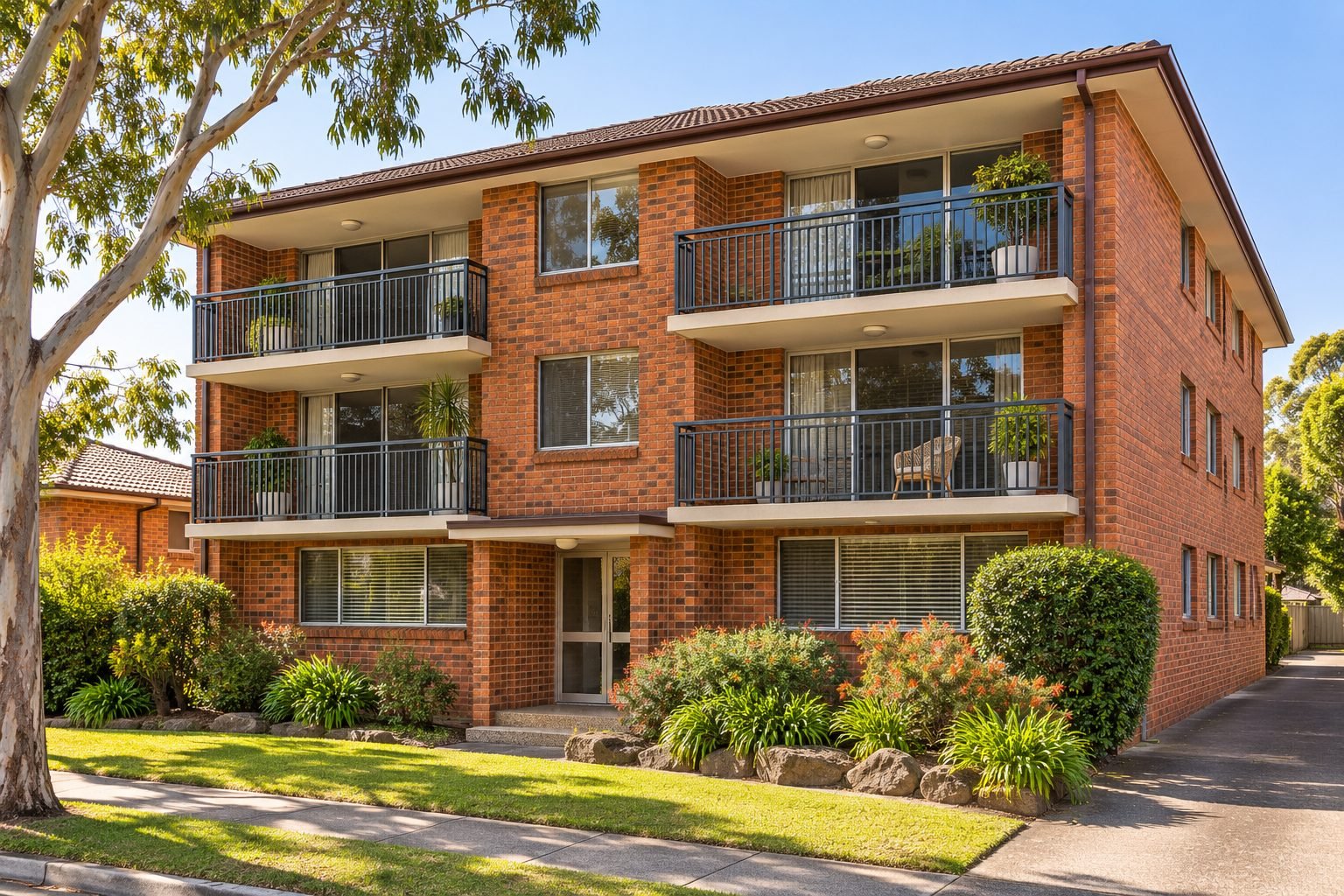
Take a 1990s unit bought last year. The carpet, oven and other fittings already in it are second-hand to the new owner, so under the 9 May 2017 rule they are generally not claimable. But the unit block itself was built after 1987, so the owner can generally still claim capital works on the building.
Now take a 1970s house that was renovated in 2010. The original construction is too old for capital works, but the 2010 renovation is a separate, claimable asset. We can estimate that renovation value and set it up for the owner.
Finally, a brand-new townhouse. The buyer claims capital works on the whole build, plus plant and equipment on everything installed new. This is the fullest version of depreciation, and a schedule here is usually a straightforward yes. You can see what a schedule covers at our depreciation schedules page.
Frequently asked questions
Does the 9 May 2017 rule stop all depreciation on older properties?
No. It stops later buyers claiming existing second-hand plant and equipment. Capital works on the building and any qualifying renovations are generally still claimable.
How do I know if my older property is worth a schedule?
Ask us for a free eligibility check. We look at the construction date and any renovations before you commit to the $600 fee.
Can I claim the new items I install after buying?
Generally yes, as long as the items are new when you buy them. A second-hand item you bring in is caught by the same rule, so check how this applies to your situation with your accountant.