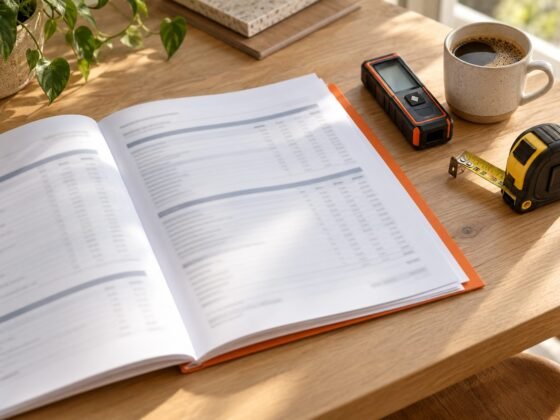

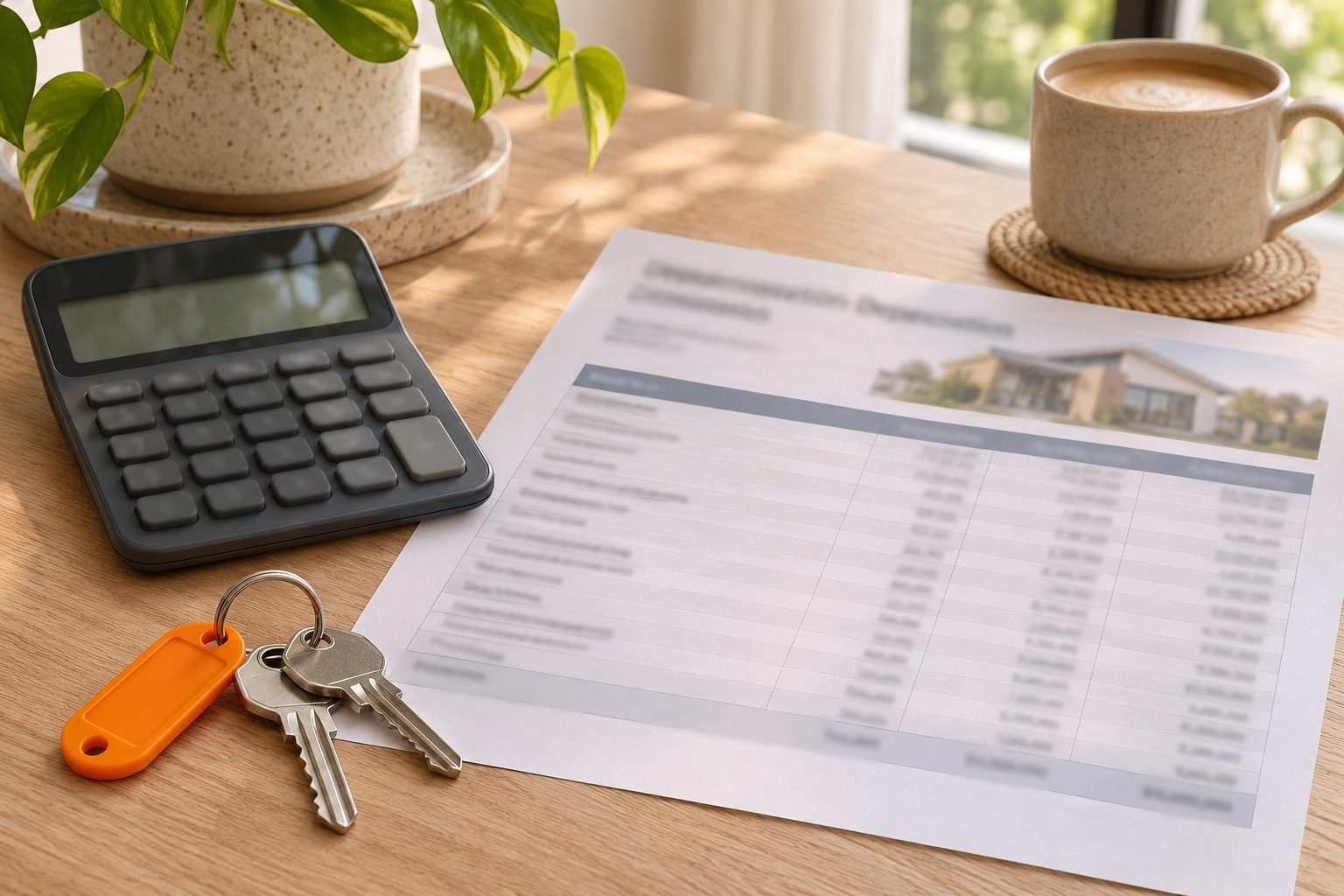
A depreciation schedule typically costs a few hundred dollars, and a good one includes both methods, the full 40 years, and a clear Division split.
What drives depreciation schedule cost
The depreciation schedule cost is one of the first things investors ask about, and it is fair enough. You want to know what you are paying before you hand over money, and whether the report will actually earn its keep. A few hundred dollars spent once can support a claim that runs for years, so the real question is not just the price but what the report gives you.
Prices in the market vary, and they vary for a reason. Some providers charge more for complex properties, some bundle extras, and some quote a low headline figure then add conditions later. We keep it simple: a standard residential schedule is a fixed $600 including GST, delivered in 3 to 5 business days, Australia-wide, with a free eligibility check first.
The main things that can change a quote are the size and complexity of the property, how much detail is available, and how complete the inspection is. A one-bedroom unit is quicker to measure than a large house, and a recent build with full plans is easier to cost than an older renovation with no records.
Depreciation schedule cost: what you should be paying for
Whatever you pay, the schedule has to do real work. A cheap report that your accountant cannot use is the most expensive option of all. We would rather show you what makes a good one so you can judge any quote fairly.
A proper schedule should cover the full 40-year capital works period, not a shortened version that stops early. It should show both the diminishing value and prime cost methods for plant and equipment, so your accountant can choose the one that fits. And it should clearly split Division 43 capital works from Division 40 plant and equipment.
What a good schedule must include
Beyond the two methods and the 40-year term, there are a few items that separate a proper schedule from a summary document. These are the parts your accountant actually needs.
It should separate the building (Division 43) from the removable items (Division 40) rather than lumping them together. It should place low-cost plant items into a low-value pool where that helps, and identify items that can be written off immediately. It should also be prepared by a named Certified Quantity Surveyor, because the construction estimate is the specialist part of the work.
A schedule with all of this gives your accountant a clean yearly figure to drop into your return, year after year. That is what turns the depreciation schedule cost into money well spent.
Imagine a three-bedroom house built in 2012. A proper schedule would show the capital works on the building over 40 years, plus the oven, air conditioner and blinds under Division 40, with both methods available. If the report arrived missing that split or the full term, you would not know what you were missing.
Red flags to watch for
When you compare quotes, look for the things a serious provider would never do. These are the warning signs.
A report with no quantity surveyor named anywhere is a red flag. So is a bulk template that looks like it was produced without anyone actually measuring your property. And a provider that will not explain how the inspection is done should worry you too.
We prepare our schedules in-house, and they are inspected by photos and video, with a site visit where needed. That inspection method should always be clear before you pay. You can see the full service detail at our depreciation schedules page.
Is the fee tax deductible?
Generally, the cost of preparing a depreciation schedule for an investment property is itself deductible, because it is an expense of producing your rental income. We describe the rule in general terms only.
How and when you claim that cost depends on your own tax position, so ask your accountant before you rely on it. The schedule gives them the numbers; they give you the advice.
Frequently asked questions
Why do prices vary between providers?
Property size, complexity, available records and inspection depth all affect the work involved. A fixed fee removes that guesswork, which is why we charge a flat $600 including GST.
Does the fee include everything?
Our standard residential schedule includes the inspection and the full report delivered to you and your accountant. If your property is unusual, we flag it in the free eligibility check before you pay.
How long does it take?
Our standard schedule is delivered in 3 to 5 business days, Australia-wide, after we receive what we need.