


Before you rent out the home you live in, capture your renovation records and photos so depreciation can be claimed from day one.
What to capture before the first tenant
Depreciation when renting out a home you used to live in is something many new landlords overlook until it is too late. The moment you make the decision, a few simple steps will make the whole claim cleaner and the schedule cheaper to prepare.
The reason is straightforward. Once a tenant moves in, the property changes, and the evidence of what was there before starts to disappear. Getting the records together before that happens is far easier than trying to reconstruct them later.
Depreciation when renting out your home: where the clock starts
Depreciation on your former home generally starts from the date the property is first available for rent, not the date the first tenant signs or moves in. That means the day you advertise it or make it genuinely available is usually the point your claim begins.
This is good news, because it means you do not wait for a tenant to start building your position. But it also means the preparation needs to happen before that date, not after.
The capital works allowance on the building generally runs at 2.5 per cent a year over 40 years for a residential property built after 15 September 1987. Plant and equipment is more limited. If your home first became a rental on or after 1 July 2017, the fittings that were in it while you lived there, such as the carpet, oven or air conditioner, generally cannot be depreciated, so the schedule usually centres on capital works. New items you buy for the rental after you move out are a different story. Apportionment and personal use are separate questions, and they sit with your accountant rather than with the schedule.
Keep records of renovations while you lived there
Money you spent improving the home while you lived in it is not lost. The structural part of renovations you carried out, such as a new kitchen, bathroom or extension, generally becomes claimable as capital works once the property is a rental. The years you lived there are not claimed, but the remaining years of the 40-year period are.
The catch is that you need evidence of what was done and roughly what it cost. Receipts, invoices, photos and any plans are all worth keeping. Even a rough record of the year and scope helps, because we can often estimate a renovation from photos where the paperwork is thin.
If you did not keep perfect records, do not assume it is hopeless. A quantity surveyor can often measure and value a past renovation, which is part of why we offer a free eligibility check first.
Imagine you lived in a house for eight years and renovated the kitchen two years ago. When you turn it into a rental, the building work in that kitchen can generally be claimed as capital works, but only if you can show what was done. The appliances you used yourself generally cannot. Photos from before the tenant moves in become the record that lets us value it.
Photos before the tenant moves in
Photographs are the cheapest insurance you can take. A full walk-through with photos of every room, the fixtures, the flooring and the outdoor areas gives us something concrete to work from when we prepare the schedule.
It makes the inspection faster: the property is inspected by photos and video, with a site visit where needed, and good photos usually save time and keep the process smooth.
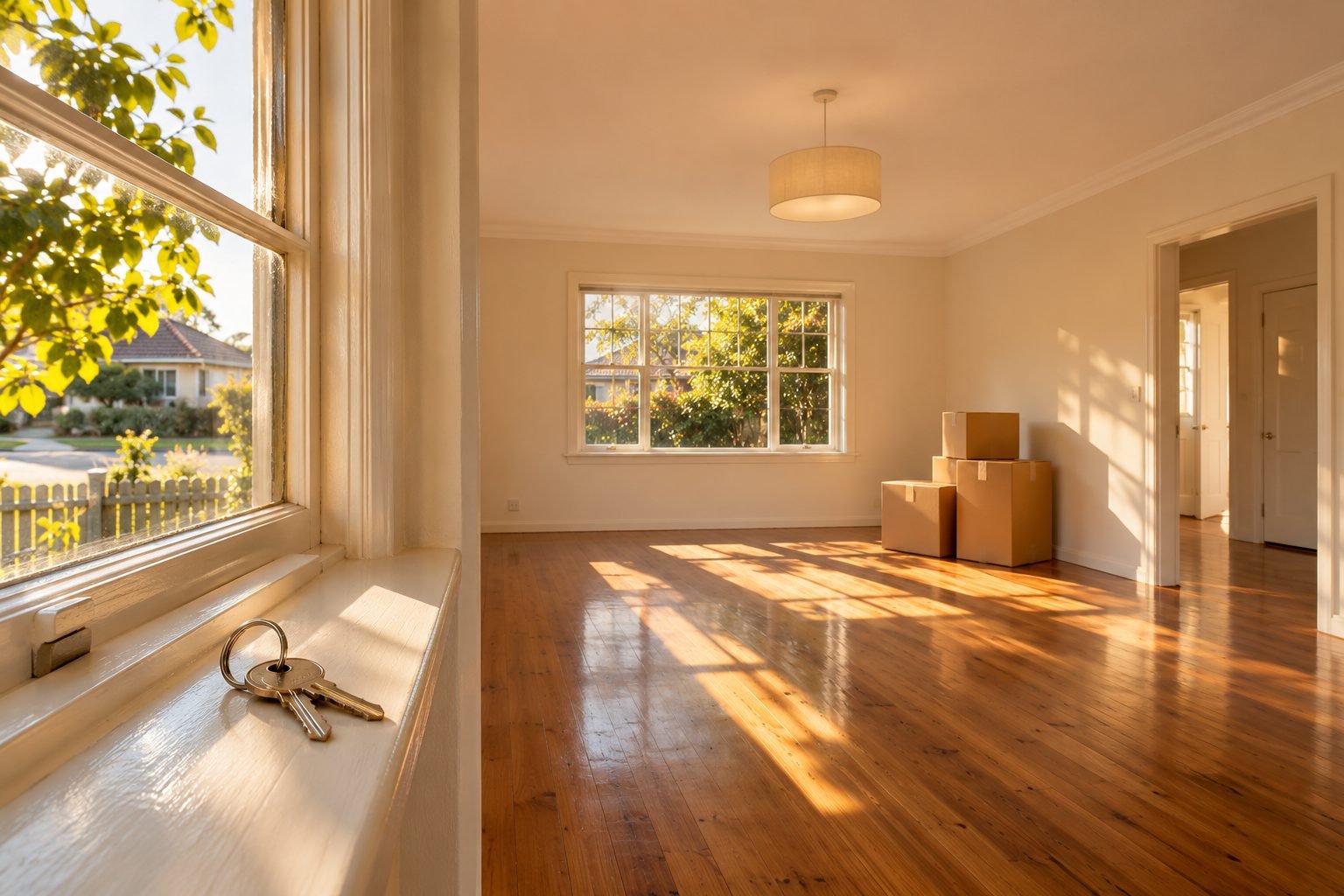
Take the photos before the tenant moves in, while the property is empty and every fixture is visible. A few minutes with your phone now can save real hassle later. You can see how we prepare the schedule at our depreciation schedules page.
Talk to your accountant about CGT
One thing a depreciation schedule does not cover is capital gains tax. If you once lived in the property, there are rules about how long it can remain exempt, including the commonly mentioned six-year rule.
We do not give tax advice, so we will not walk you through your CGT position here. What we will say is that the timing of when you rent out a former home can affect more than depreciation, so treat depreciation when renting out your home as one part of a bigger conversation. Ask your accountant about the capital gains side before you make the switch.
Frequently asked questions
When does depreciation actually start?
Generally from the date the property is first available for rent, which is often the day you list it, not the day the tenant arrives.
Do I need receipts for renovations I did years ago?
Receipts help, but they are not always essential. Photos and a rough record of the scope often let us value the work. Start with a free eligibility check.
Should I get advice before renting out my home?
Yes, at least from your accountant on the capital gains side. For the depreciation schedule itself, a Certified Quantity Surveyor prepares the numbers.