
Granny flat depreciation covers the capital works and new plant in a secondary dwelling, and a quantity surveyor schedule turns the build cost into annual claims.
A granny flat depreciation schedule usually covers two things: the building itself and the new plant and equipment inside it. When you build a secondary dwelling on the same title as your main house and rent it out, those deductions can add up over many years. A new build also keeps the schedule straightforward, because the cost comes straight from your builder’s contract.
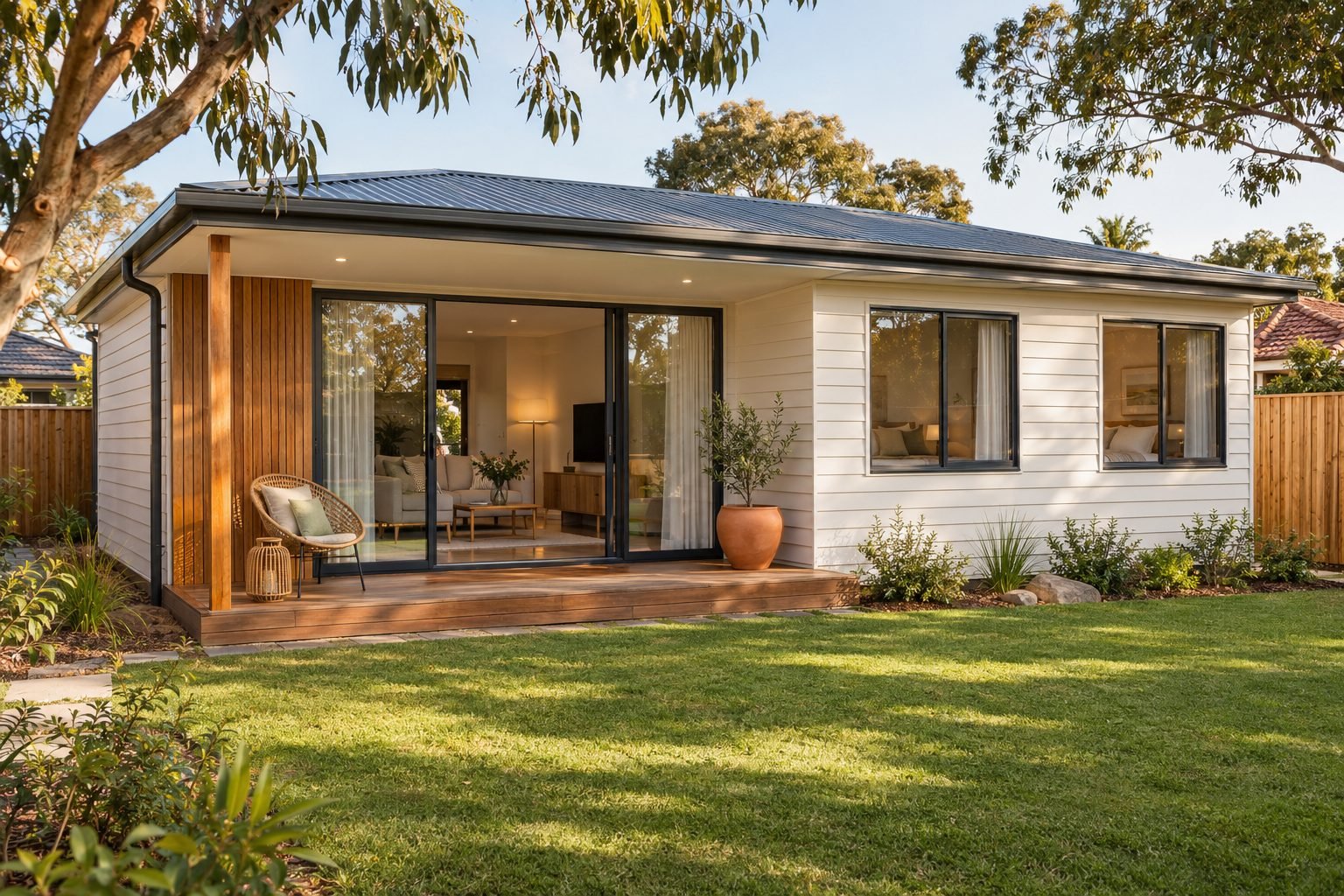
A granny flat is a self-contained dwelling, usually with its own bedroom, bathroom, kitchen and living space, that sits behind or beside a family home. Because it is built new, it can carry up to 40 years of capital works plus a fresh set of removable items. If you want to see how depreciation works on an investment property at tax time, we walk through it step by step in a separate guide.
Granny flat depreciation: the two things to claim
A granny flat depreciation claim falls into two buckets under the tax rules.
- Capital works on the structure itself
- Plant and equipment on the removable or mechanical items
The building is covered by Division 43 capital works, while the removable items fall under Division 40 plant and equipment. Both feed into the one depreciation schedule, which lists every claimable item line by line for your accountant.
Capital works on the structure
For a residential building where construction started after 15 September 1987, capital works are generally claimed at 2.5 per cent a year over 40 years, counted from completion. A new granny flat almost always qualifies, which is one reason a new build is worth scheduling from the start.
Structural improvements such as driveways, fences, retaining walls and any pool follow the capital works rules too, with their own start dates. These details can get fiddly, so we check them against current ATO guidance rather than guessing.
New plant and equipment in the dwelling
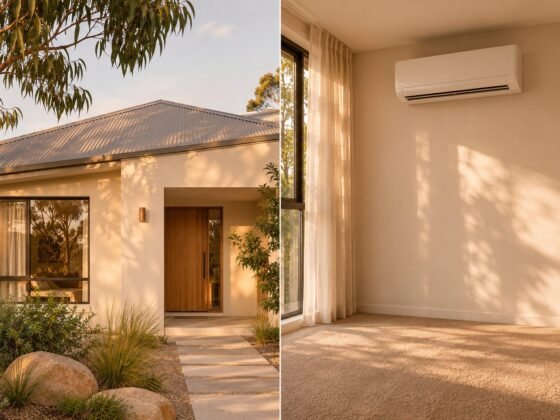
Everything removable or mechanical inside the granny flat is treated as plant and equipment. That includes the air conditioner, hot water system, oven, cooktop, rangehood, carpets, blinds and any ceiling fans.
Each item has an effective life set out in the ATO’s published determinations, and the claim is worked out using either diminishing value or prime cost. New items are generally claimable from when the flat is first available for rent, while second-hand items often are not for individual investors. Much of the early value in secondary dwelling tax depreciation comes from here, because a brand-new flat is full of brand-new items.
Shared items and apportionment
Some costs in a granny flat project are shared with the main house, such as a common driveway, shared fencing or service connections. When an item serves both dwellings, generally only the portion used to earn granny flat rental income can be claimed.
Working out the right split is a job for your accountant. We capture the items and their cost in the schedule, and your accountant decides how the shared portion should be apportioned against your own position. Renting out a granny flat on the same block as your own home can also have capital gains tax consequences for the home, so ask your accountant before you start. Any contracts or disputes over shared infrastructure are a matter for your lawyer.
A two-bedroom granny flat: a worked example
Imagine a new two-bedroom granny flat built behind a family home in Sydney and rented out from the day it is finished. The builder’s contract sets out the full construction cost, so the capital works portion is straightforward to calculate at 2.5 per cent a year over 40 years.
The flat also comes with a split-system air conditioner, a hot water system, a small kitchen with new appliances, carpets and blinds. Each of these is listed as new plant and equipment with its own effective life, and the claims begin from when the flat is available for rent. Your accountant then works out what the combined claims mean for your own tax return.
How the schedule is put together
Because a new granny flat is built to a contract, the build cost is usually clean and easy to schedule. Where some construction costs are unknown, the ATO accepts an estimate by an appropriately qualified person such as a quantity surveyor.
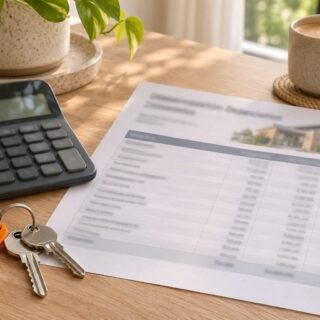
Each schedule is prepared by a Certified Quantity Surveyor, and the property is inspected by photos and video, with a site visit where needed. A standard residential schedule costs $600 including GST and is usually turned around in 3 to 5 business days, Australia-wide, with a free eligibility check first. If you are still deciding, our guide on whether a depreciation schedule is worth it can help, and our investment property depreciation guide covers the bigger picture.
Frequently asked questions
Can I claim depreciation on a granny flat I rent out?
Yes, if the granny flat is genuinely available to produce income, both the building’s capital works and the new plant and equipment can generally be claimed. Your accountant confirms how the rules apply to your own situation.
Is a granny flat treated as part of my main house for depreciation?
Depreciation follows the part that earns rent. The granny flat’s own structure and items can be listed on their own in the schedule, but shared items may need apportionment, so ask your accountant how this applies to you.
Do I need a quantity surveyor for a new granny flat?
A quantity surveyor can schedule the build cost from your builder’s contract and split it into capital works and plant items. Where some costs are unknown, the ATO accepts an estimate from an appropriately qualified person such as a quantity surveyor.