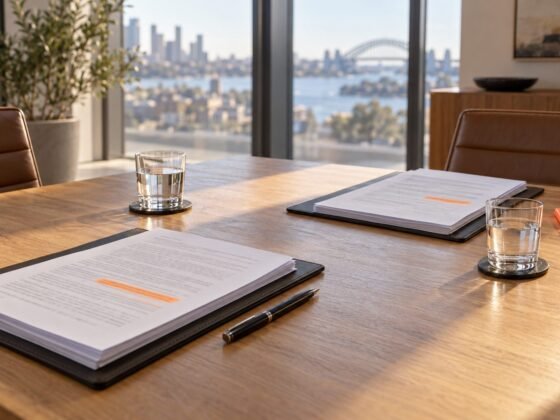




A sound construction procurement strategy packages the work, invites tenders, assesses them properly and locks in terms that protect the builder.
What procurement actually is
A construction procurement strategy is how a builder turns a scope of work into a signed subcontract. It runs in five steps: break the job into packages, invite tenders, assess the responses, negotiate, and award. Each step is an opportunity to lock in certainty or to let risk leak in.
Done well, procurement sets the job up to succeed. Done poorly, it stores up the claims and variations that appear months later when the cheap subcontractor starts asking for more money.
Choosing the form and passing risk back-to-back
The contract form matters as much as the price. A builder takes on obligations to the client in the head contract, and the smart move is to pass those same obligations down to each subcontractor, back-to-back. If the head contract requires a particular standard, timing or insurance, the subcontract should carry the same terms.
The danger is gaps. If the head contract obliges the builder to do something the subcontract does not pass on, the builder wears the difference. We check each subcontract against the head contract so that nothing falls in the gap between the two.
Price is not the only column
When tenders come back, price is the easiest thing to compare and the most dangerous thing to fix on alone. A tender assessment should weigh more than the bottom line: capability, capacity, past performance, the programme, the exclusions and the qualifications in the fine print.
A low price with a long list of exclusions is not a low price at all. It is a higher price waiting to be claimed. We assess the whole tender, not just the total, and we make sure each bidder is pricing the same scope so the comparison is honest.
The mistakes that turn into claims
Most procurement disputes trace back to a few avoidable mistakes.
- Unclear scope. A package that is not defined lets each bidder price a different job.
- No comparison on equal terms. Different exclusions make the prices impossible to compare.
- Rushing the award. Awarding before the terms are settled hands control to the other party.
- Ignoring qualifications. The bidder’s caveats become the claims of next month.
The fix is discipline. Define the package, compare on equal terms, settle the terms before award, and read every qualification before you sign.
Bought well versus bought badly
Two builders let the same concrete package. The first sends a one-line scope and takes the lowest number. Six weeks in, the subcontractor claims for the reinforcement and formwork the scope never mentioned, and the builder pays twice.
The second builder writes a clear scope, prices it against a schedule of rates, assesses two bidders on capability and exclusions, and settles the terms before award. The package runs clean, because there is nothing left to argue about. The difference was not luck. It was a construction procurement strategy applied with care.
What to settle before you award
The award is the last moment the builder holds all the cards, so the terms should be settled before the letter of acceptance goes out, not after. Agree the scope in writing, including the exclusions the subcontractor has listed and your response to each one. Confirm the programme dates the subcontractor is committing to, the payment terms and retention, the insurances and the notice periods for variations and delay.
Put the agreed position into the subcontract itself rather than relying on emails and tender letters. A clean subcontract that matches the tender, the clarifications and the head contract leaves nothing to argue about later. It also makes the final account simple, because every item can be traced back to a document both parties signed.
Frequently asked questions
What is the first step in procurement?
Define the scope of each package clearly. If the scope is vague, every bidder prices a different job and the comparison is meaningless.
Should I always take the lowest tender?
No. Weigh capability, capacity, exclusions and qualifications alongside price. The lowest price with the most exclusions is often the most expensive in the end.
Do I need a quantity surveyor for procurement?
Not for every package, but it helps on anything large or high risk. We define the scope, assess the tenders on equal terms and check the contract before you sign.